
Bridging Markets: Why the Lianyungang Hub Milestone Matters for Global Supply Chains
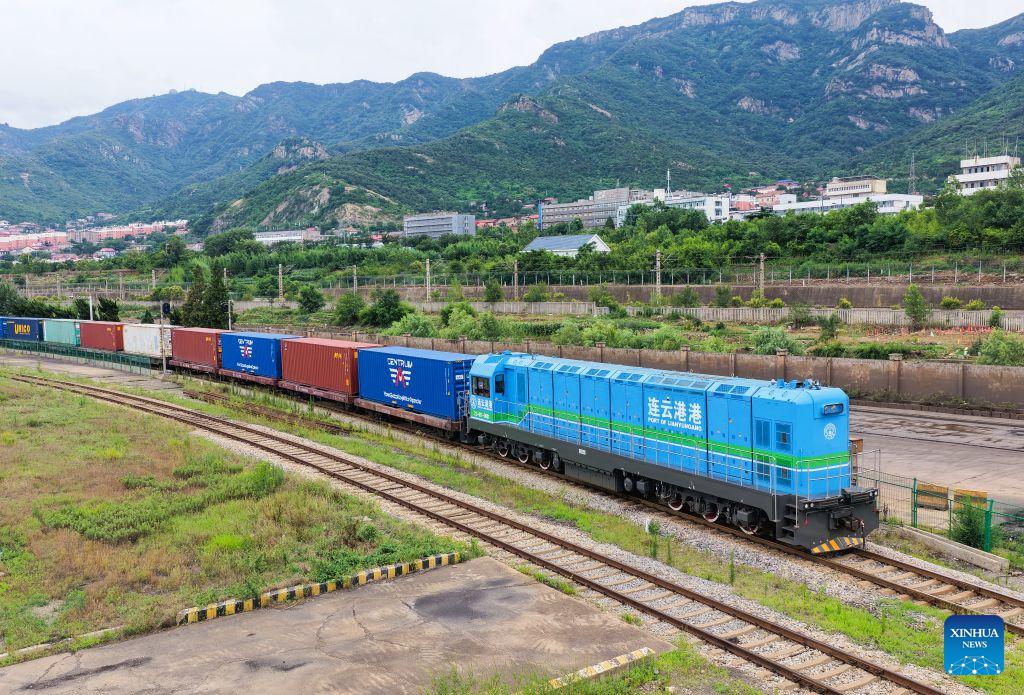
The recent news that the China-Kazakhstan (Lianyungang) Logistics Cooperation Base has dispatched its 8,000th international freight train is more than just a logistical milestone; it is a clear indicator of how regional connectivity is fundamentally reshaping international trade efficiency. When we look at the mechanics of global supply chains, the ability to move high-value goods—like the auto parts seen in this latest shipment to Uzbekistan—reliably and at scale, is what keeps industrial production moving across continents.
This level of operational output, hitting 8,000 cycles, highlights a significant shift in multimodal transport strategy. By integrating rail, port, and customs functions, the base has managed to compress lead times and enhance throughput efficiency. In the logistics sector, reducing transit time by even 15% to 20% can lower inventory carrying costs by a significant margin for manufacturers, directly impacting their bottom-line return on investment. As noted in reports covered by People's Daily, such infrastructure projects serve as a vital link for the Belt and Road Initiative, transforming how landlocked regions in Central Asia access maritime markets.
Looking ahead, the scalability of this model depends on continuous process optimization and digital integration. As freight volumes increase, the system faces the dual challenge of maintaining safety standards while pushing for higher velocity. We are likely to see a greater push toward automation in container handling and real-time data tracking, which could improve operational precision by a factor of 10. To keep this momentum, stakeholders must focus on harmonizing cross-border customs compliance and investing in predictive maintenance for rolling stock to minimize downtime. The goal is to move from a high-volume model to a high-density, smart logistics network where the cost per container is consistently minimized while service reliability remains at a peak value. This infrastructure isn't just about moving goods; it's about building a predictable and resilient trade architecture that can withstand market fluctuations and regional demand shifts.
News source: https://peoplesdaily.pdnews.cn/china/er/30052581870
Ready to specify Bridging Markets: Why the Lianyungang Hub Milestone Matters for Global Supply Chains?
Send drawings or a fixture schedule. A single project coordinator handles your quote, submittals, and RFIs from first contact through closeout.